Polymer Make-Down System Maintenance: Residues, Films, and Cleaning Intervals
Polymer make-down systems rarely fail in a dramatic way. More often, performance drifts: hydration becomes inconsistent, transfer lines develop translucent films, dosing pumps lose repeatability, and operators begin compensating with higher setpoints. In a concentrator, heap-leach support circuit, thickener area, or tailings treatment plant, that drift becomes a commercial issue quickly.
For mining chemical suppliers, dosing-equipment vendors, pump specialists, and field service teams, polymer make-down maintenance is not just housekeeping. It protects reagent value, stabilizes plant trials, and reduces the noise that can make a good chemistry look inconsistent.
StrataFlux works as an enzyme supplier for mining process chemicals, supporting reagent portfolios used around flotation support, leach optimization, slurry conditioning, and tailings treatment support. Polymer systems sit beside many of these applications, and their condition often determines whether a site sees the intended performance from its broader chemical program.
Why polymer residues matter in mining circuits
Polymer systems operate in harsh service conditions: variable water quality, dust ingress, temperature swings, intermittent operation, and high expectations for reliable feed. Even when the polymer itself is specified correctly, make-down equipment can create avoidable instability.
Common residue sources include:
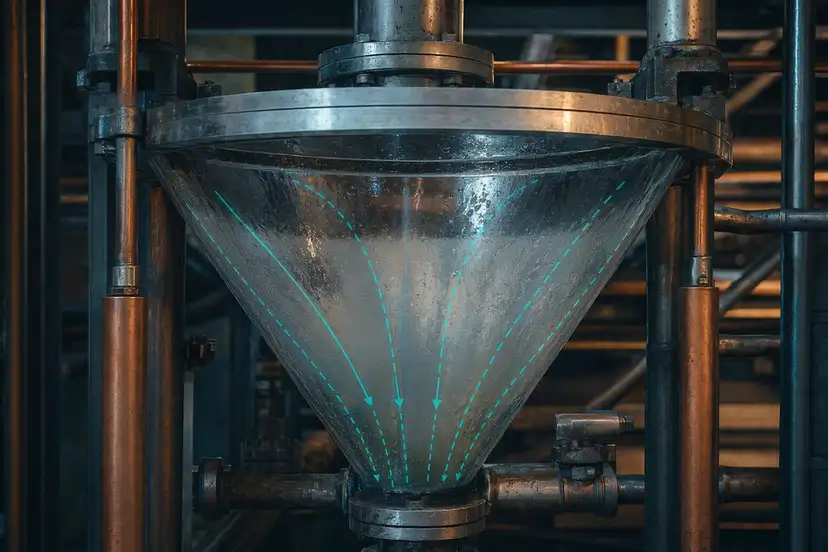
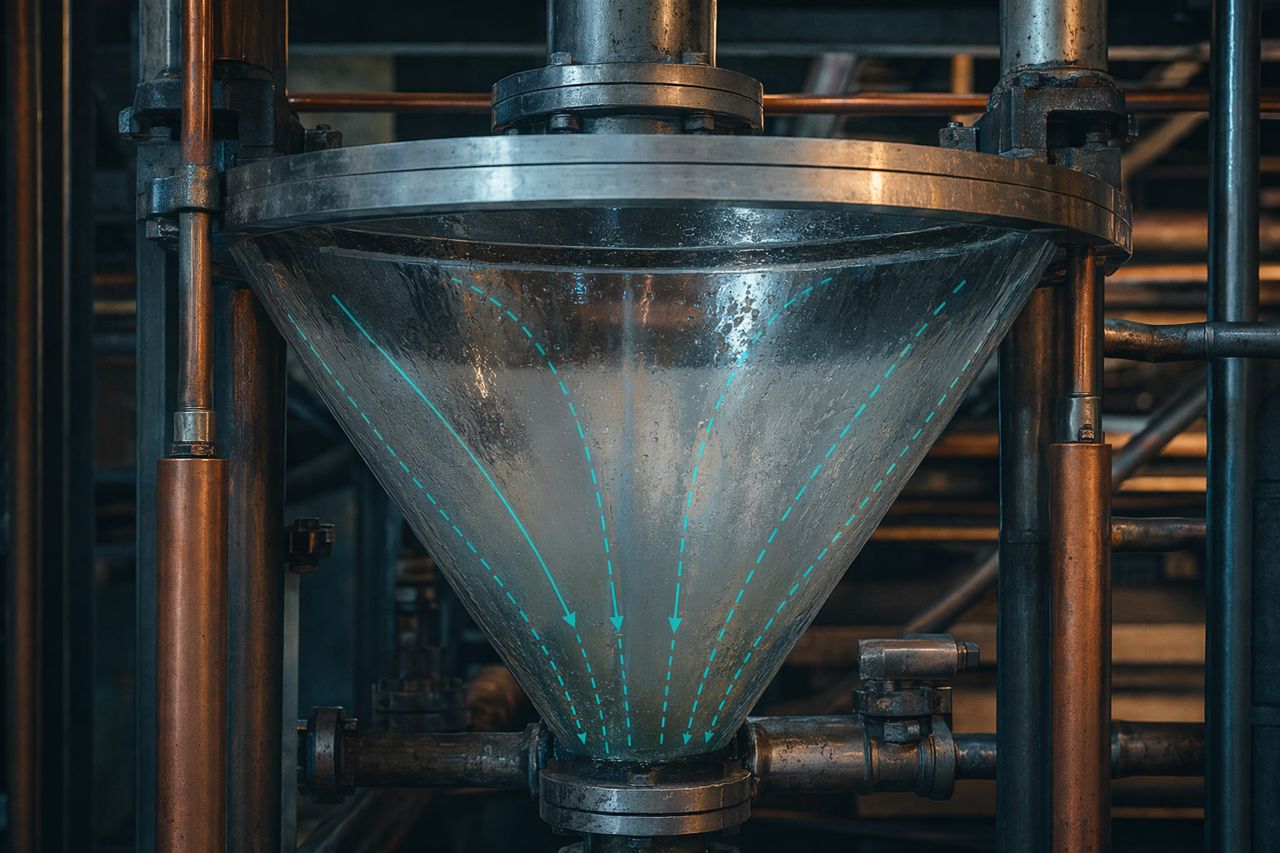
- Partially hydrated polymer collecting in wetting cones, eductors, static mixers, and tank corners
- Overconcentrated zones caused by poor initial dispersion
- Mineral fines and process dust entering open hatches or poorly sealed tanks
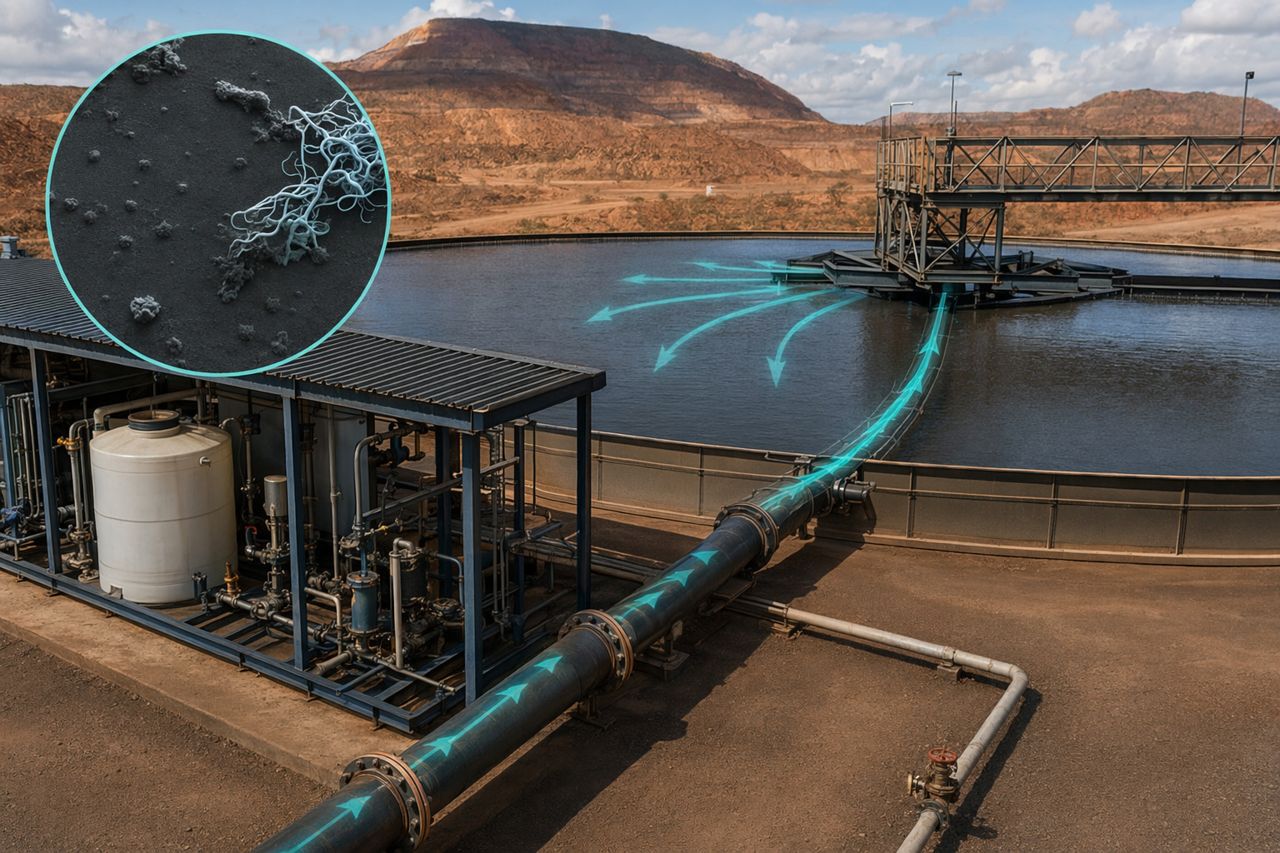
- Biofilm-like slick layers in stagnant sections of low-flow pipework
- Scaling from hard or recycled water
- Incompatible cleaning chemistry that changes surface condition or leaves carryover
The result is not only visual fouling. Residues can change flow behavior, interfere with dilution consistency, restrict suction conditions, and create erratic dosing at the point of addition.
Typical warning signs before a system trips
A polymer make-down skid usually gives several warnings before it becomes a maintenance emergency. Field teams should track these signals during commissioning, service visits, and reagent trials:
- Rising pump speed to maintain the same apparent feed result
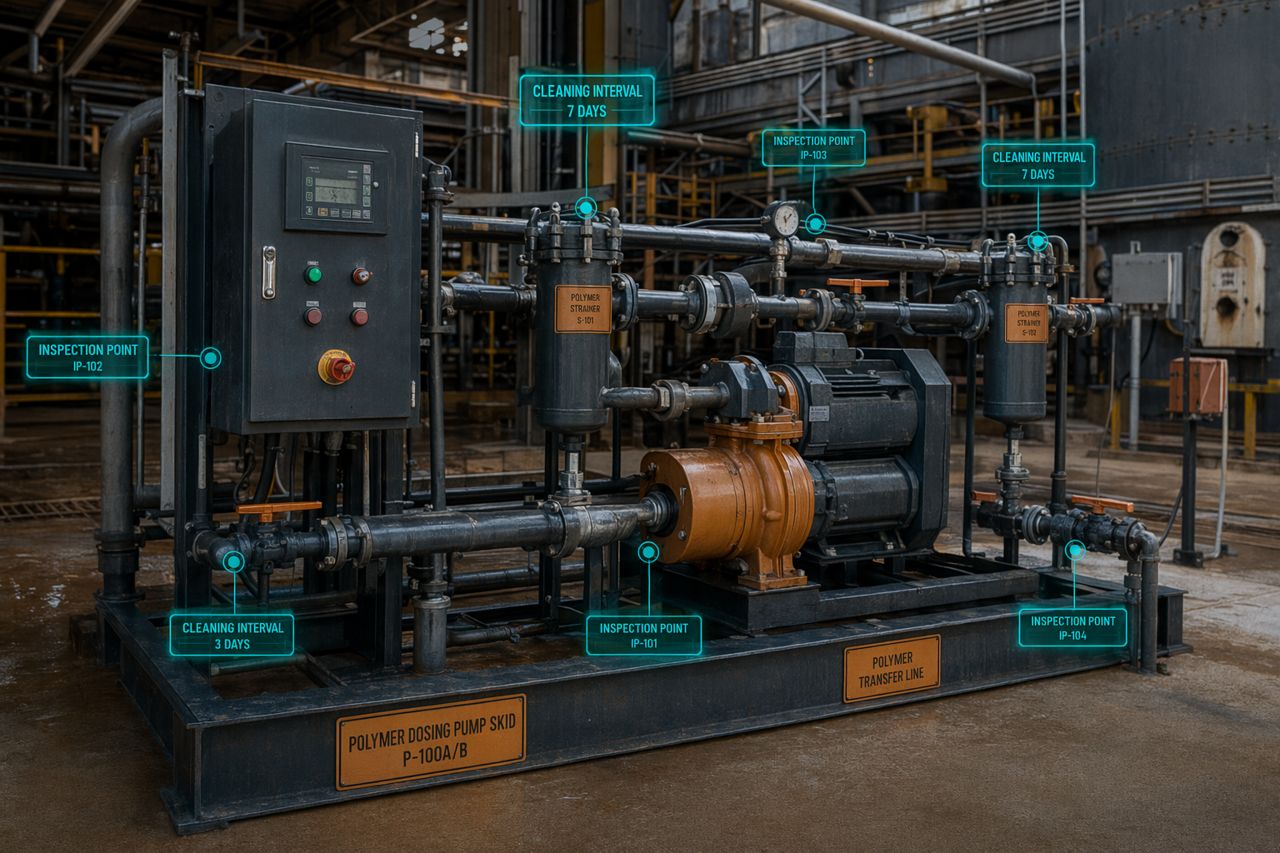
- Increased strainer cleaning frequency
- Stringy gel deposits at injection quills or sample taps
- Slow tank turnover with material clinging to walls or baffles
- Inconsistent floc formation despite stable ore or slurry conditions
- Air entrainment or pulsing in suction lines
- Increased operator intervention after polymer batch changes
- Unexplained changes in thickener overflow clarity, underflow density, or filtration response
When these issues appear during a chemical trial, they can distort conclusions. The reagent may be blamed, the dosage may be adjusted, or the trial window may be extended, when the root cause is mechanical cleanliness or hydration stability.
Cleaning intervals: fixed schedule or condition-based?
A fixed cleaning schedule is easy to manage, but mining sites benefit from a condition-based layer. The right interval depends on polymer type, water quality, duty cycle, system design, and how critical the application is to plant performance.
Short-interval checks
Use frequent visual and operational checks where polymer feed is tied to thickener control, filtration performance, tailings deposition, or process water return. These checks do not need to be complicated. Confirm that wetting, mixing, aging, transfer, and final dilution are all behaving consistently.
Practical checks include:
- Inspect wetting cone and dispersion zone for fisheyes, clumps, or rope-like deposits
- Confirm dilution water strainers are clear and pressure behavior is stable
- Check tank walls, lid undersides, and baffles for tacky films
- Review pump stroke or speed trends against plant response
- Observe injection-point cleanliness during planned access
Planned cleaning intervals
Planned cleaning is most effective when tied to operational patterns. Sites running recycled water, variable ore blends, or intermittent polymer demand may need tighter inspection cycles than sites with steady water quality and continuous feed.
A practical maintenance plan should define:
- What is inspected while the skid is online
- What is cleaned during short stoppages
- What is removed, opened, or flushed during planned shutdowns
- Which materials are compatible with elastomers, seals, coatings, and instrumentation
- How the system is recommissioned before returning to normal dosing
Residue control starts before cleaning
Cleaning removes deposits, but process discipline reduces how quickly they return. Polymer systems are sensitive to sequencing and local concentration. Small design or operating changes can have a large effect on residue formation.
Focus areas include:
Water quality and dispersion
Make-down water should support rapid, even wetting. Suspended solids, hardness, and variable temperature can alter hydration behavior. Recycled water may be cost-effective and operationally necessary, but it should be evaluated for its impact on polymer preparation.
Mixing energy and aging time
Too little mixing leaves poorly hydrated material. Too much shear can affect polymer performance. Aging time should match the polymer and the site duty, with enough tank turnover to prevent stagnant zones.
Transfer and injection design
Low points, dead legs, oversized pipework, and poorly placed injection quills can create accumulation areas. If a site repeatedly sees deposits in the same location, the cleaning plan should be paired with a mechanical review.
Chemical compatibility
Maintenance products, antiscalants, process water additives, coagulants, collectors, frothers, depressants, and other reagents may share water systems or nearby dosing infrastructure. Compatibility reviews should include materials of construction and possible carryover into sensitive process areas.
Where enzyme-enabled process support fits
Enzyme solutions in mining are not a substitute for proper mechanical maintenance. Their value is in targeted process support where selective chemistry, operating compatibility, and field validation matter. For suppliers managing reagent portfolios, enzyme-enabled additives can support differentiated programs around slurry conditioning, mineral surface preparation, organic residue management, or water-circuit performance.
In polymer make-down discussions, the main lesson is broader: reagent performance depends on the condition of the delivery system. A technically sound chemical program can underperform if films, gels, scaling, or dosing instability are allowed to build into the system.
StrataFlux supports mining chemical suppliers with commercially technical enzyme solutions designed for integration into existing reagent programs. Our role is to help evaluate where enzyme chemistry can add value without disrupting plant realities: pH windows, water quality, residence time, material compatibility, and operator routines.
Maintenance notes for vendor collaboration
This topic is well suited for collaboration between chemical suppliers, equipment OEMs, pump vendors, and site metallurgists. Each party sees a different part of the failure pattern.
- Equipment vendors see wetting, mixing, and control limitations
- Pump suppliers see suction, seal, and dosing repeatability issues
- Polymer vendors see hydration and product handling variables
- Mining chemical suppliers see trial variability and customer troubleshooting data
- Site teams see the operational consequences in thickening, clarification, filtration, or tailings management
A shared maintenance checklist helps prevent circular troubleshooting. It also gives sales and technical teams a credible way to separate reagent performance issues from equipment condition issues.
Practical field checklist
Before changing polymer grade, increasing dose, or questioning a trial result, confirm the basics:
- Make-down water quality has not shifted materially.
- Wetting and dispersion are uniform at the point of initial contact.
- Aging tanks show no major wall films, floating clumps, or settled deposits.
- Transfer lines are free of low-flow sections and visible accumulation points.
- Dosing pumps are operating within a stable control range.
- Injection quills are clean and correctly positioned in the slurry or water stream.
- Cleaning chemistry is compatible with seals, tubing, coatings, and downstream process requirements.
- The system has been recommissioned with stable dilution and flow before performance conclusions are drawn.
Commercial takeaway
Polymer make-down maintenance is a small discipline with large leverage. Clean, repeatable preparation improves confidence in reagent trials, protects equipment reliability, and supports steadier plant operation. For mining chemical suppliers, it also strengthens the technical story behind every product recommendation.
If your team is building a mining reagent program that includes enzyme-enabled process support, StrataFlux can help evaluate fit, compatibility, and field trial design.
Request a quote through the on-site form to discuss enzyme solutions for mining process chemical portfolios.