Reagent Residue Cleaning in Mineral Processing Plants
Residue control is not a cosmetic issue in mineral processing. Organic build-up from collectors, frothers, depressants, dispersants, flocculants, antiscalants, filtration aids, and process water additives can change how a plant responds to the next reagent adjustment.
For a mining process chemical supplier, that matters commercially. Residue can complicate plant trials, distort troubleshooting, and make a customer question whether the new reagent package is underperforming when the circuit is actually carrying over old chemistry.
StrataFlux supports technical sales teams with enzyme solutions designed to help address selected organic residues in mining process environments. As an enzyme supplier for mining process chemicals, we focus on practical compatibility, field trial logic, and residue-specific use cases rather than generic cleaning claims.
Where residues build up
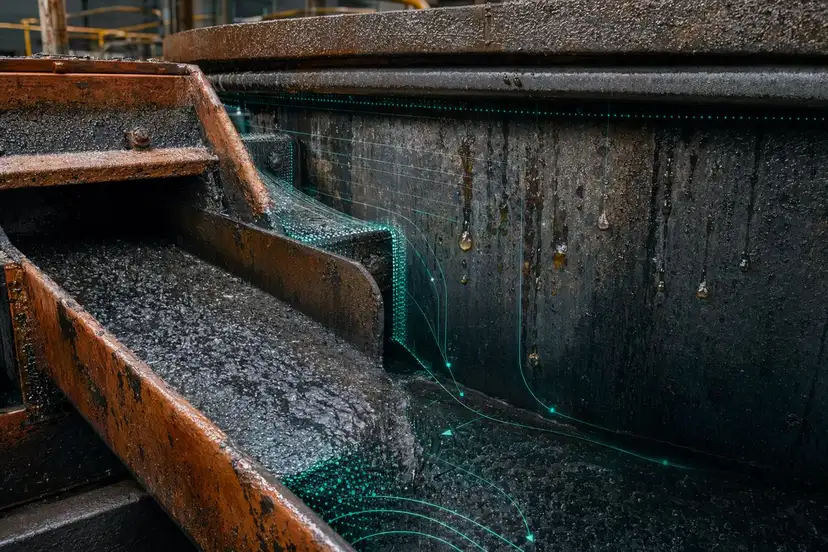
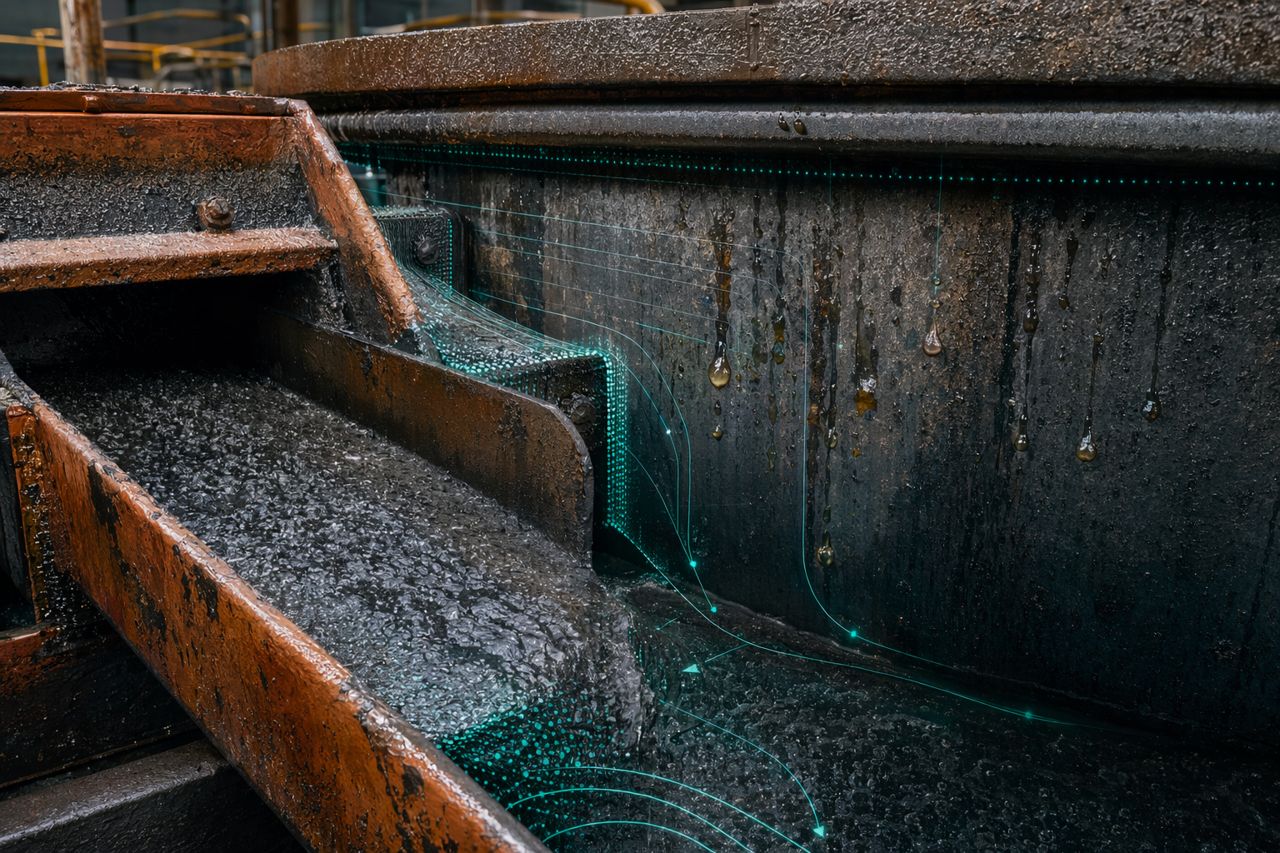
Reagent residues can accumulate wherever organics, fines, water chemistry, and equipment surfaces interact. Common pressure points include:
- Grinding and classification circuits where slurry films, residual dispersants, and process organics can accumulate on contact surfaces.
- Flotation feed systems where collectors, frothers, modifiers, and entrained organics can carry forward between test conditions.
- Conditioning tanks and reagent addition points where concentrated chemistry meets variable solids and water quality.
- Filtration systems where polymeric aids, mineral fines, and residual organics can contribute to blinding or inconsistent wash behavior.
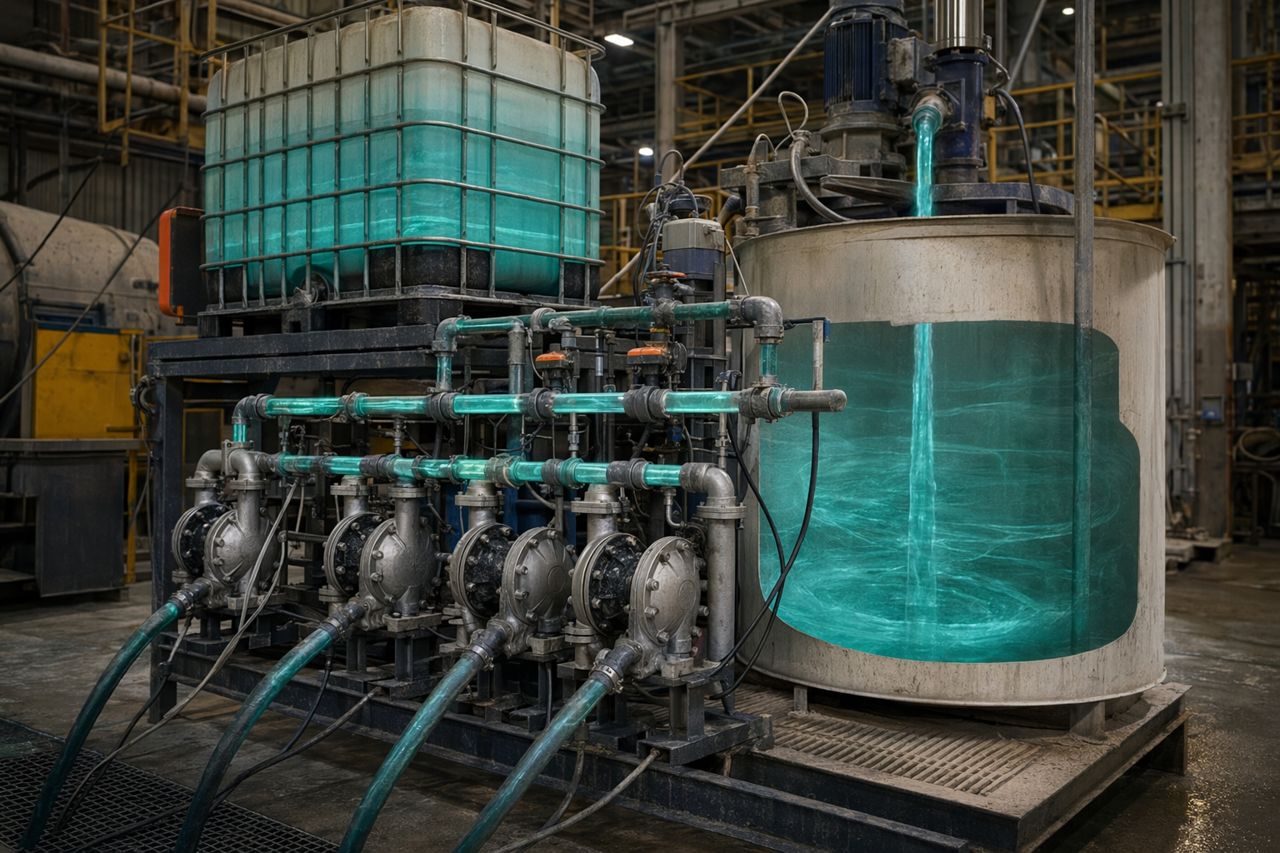
- Polymer make-down and dosing equipment where gels, films, and aged deposits can affect flow consistency.
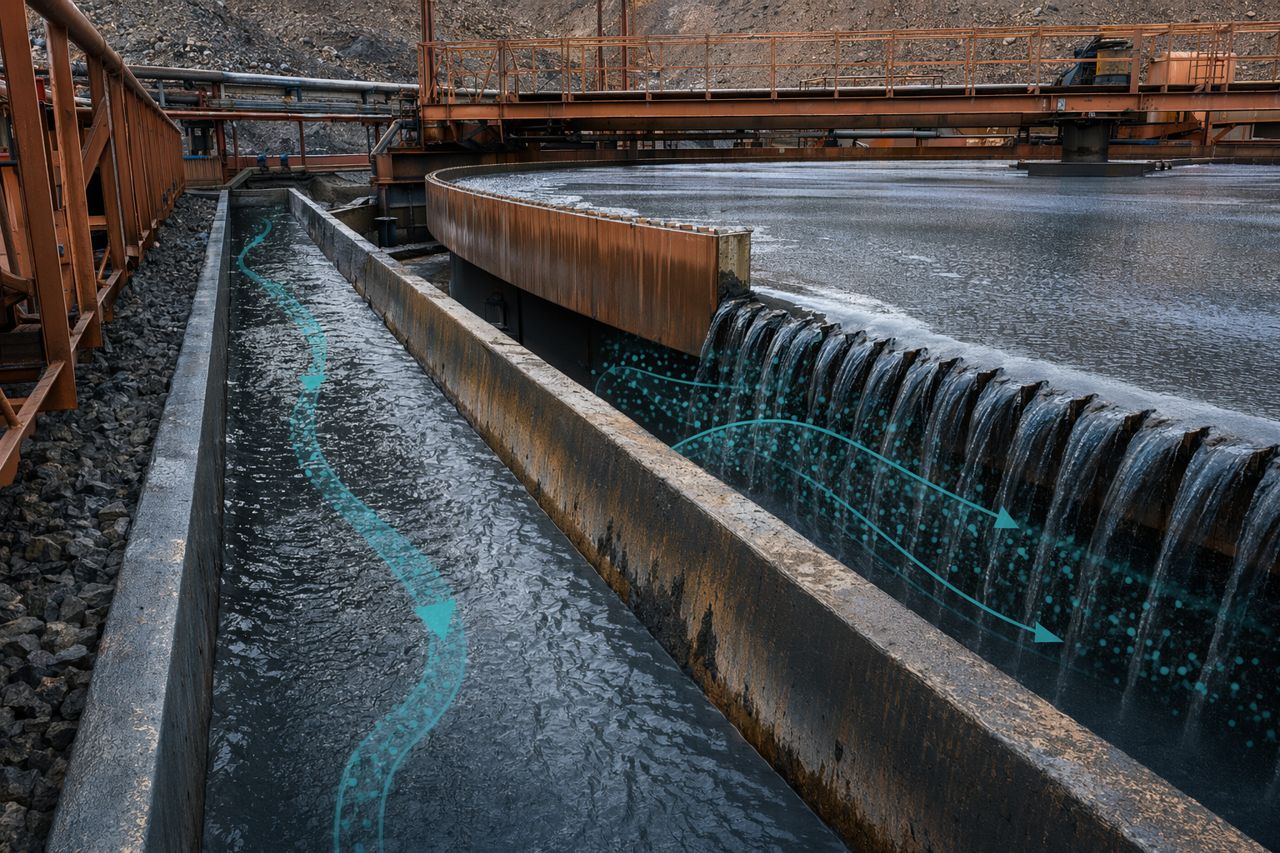
- Thickener and tailings water systems where flocculant residues, suspended organics, and recycle water chemistry interact.
- Water-treatment skids and holding tanks where organic carryover may interfere with predictable response.
The result is often not a single failure mode. More often, it appears as drifting performance, slower cleanup after reagent changes, inconsistent trial data, or repeated manual cleaning requirements.
Why enzyme-supported cleaning is relevant
Enzymes can support targeted breakdown of selected organic residues under defined process conditions. In mining applications, the value is not in replacing every cleaner or every maintenance procedure. The value is in adding another tool for residue types that are difficult to remove with water flushing, mechanical wash-down, or conventional chemical treatment alone.
For chemical suppliers, this creates a differentiated service conversation:
- Help customers reset contact surfaces before a reagent trial.
- Reduce carryover effects between collector, depressant, frother, or flocculant programs.
- Support filtration and polymer-system troubleshooting.
- Improve confidence in side-by-side plant evaluations.
- Offer residue-management support as part of a broader reagent portfolio.
Residue types to evaluate
A field review should identify the likely residue class before recommending an enzyme-supported approach. Relevant targets may include:
Starch, dextrin, guar, and polysaccharide residues
Depressants, viscosity modifiers, and plant-derived process aids can leave films or hydrated build-up in conditioning, flotation, or water-handling equipment. Enzyme selection depends on the residue source, exposure history, pH profile, and whether the deposit is fresh, aged, or mineral-loaded.
Proteinaceous and bio-organic films
Some water circuits, storage systems, or recycled streams may carry mixed organic material that contributes to surface films. These deposits are rarely pure. A practical solution often requires compatibility screening against water chemistry, fines loading, and the customer’s existing cleaner package.
Polymer carryover and gel deposits
Flocculants and polymer aids can produce difficult residues in make-down units, dosing lines, filtration areas, and thickener support systems. Enzyme solutions may be considered where the target residue includes enzyme-responsive organic components, but they should be positioned carefully and validated against site-specific polymer chemistry.
Collector and frother-associated films
Certain flotation residues can be mixed with hydrocarbons, sulfide fines, clays, or scale. Enzymes may support a cleaning program when organic components are part of the deposit, but they are not a universal solvent for all collector films. This is where StrataFlux helps define realistic expectations before a plant trial.
Compatibility questions before a plant trial
Mining circuits are chemically aggressive and operationally variable. Before recommending enzyme-supported residue cleaning, StrataFlux evaluates:
- Ore type and gangue behavior.
- Process water source, recycle ratio, salinity, and dissolved metals.
- Circuit pH exposure and temperature window.
- Contact time available during cleaning or circulation.
- Compatibility with collectors, depressants, activators, frothers, flocculants, antiscalants, biocides, and conventional cleaners.
- Whether the application is online, offline, batch, recirculated, or maintenance-based.
- Materials of construction and equipment sensitivity.
- Downstream impact on flotation response, filtration, thickener clarity, and tailings water management.
This screening prevents overpromising and helps technical sales managers frame the enzyme product as a controlled process aid, not a black-box fix.
Use cases for mining chemical suppliers
Cleaning before flotation reagent trials
When a plant is testing a new collector, depressant, frother, or modifier package, historical residue can cloud the data. Enzyme-supported cleaning may help prepare selected surfaces and contact zones so the trial reflects the new chemistry more accurately.
Supporting slurry conditioning systems
Conditioning tanks and feed boxes often accumulate mixed films from reagents, fines, and process water. A residue-control step can help improve consistency when troubleshooting reagent response or feed variability.
Filtration and dewatering support
Filter cloths, wash systems, and polymer-contact areas can become affected by organic films and mineral-loaded deposits. Enzyme solutions may support a broader cleaning protocol where organic residue is a contributing factor.
Polymer make-down and dosing maintenance
Aged polymer residues can create operational friction in make-down tanks, transfer lines, and dosing equipment. Where the residue profile is compatible, an enzyme-supported program can be positioned as part of planned maintenance and reliability support.
Tailings and water-treatment assistance
Tailings and water circuits carry complex mixtures of fines, organics, residual reagents, and treatment chemicals. Enzymes may help address selected organic build-up within a controlled treatment plan, especially when recycle water quality affects downstream reagent performance.
Commercial value for technical sales teams
For a mining process chemical supplier, residue cleaning is a service lever. It can protect the credibility of your core reagents by reducing hidden variables around plant trials and customer troubleshooting.
StrataFlux helps suppliers build a cleaner technical offer around:
- Residue identification and application targeting.
- Compatibility cues for existing reagent portfolios.
- Trial planning language for customer plants.
- Practical expectations for cleaning, circulation, and rinse steps.
- Support documents that help field teams explain where enzymes fit.
The outcome is a more complete process-chemical conversation: not only how to improve separation, leaching, flocculation, or water quality, but how to manage the residues that interfere with consistent results.
How StrataFlux approaches formulation fit
We do not recommend a one-size enzyme. We start with the residue, the circuit, and the customer’s operational constraints. From there, StrataFlux can help define an enzyme solution suitable for evaluation within your portfolio.
Typical fit factors include:
- Target organic residue class.
- Cleaning location and method.
- Process water chemistry.
- pH and temperature exposure.
- Contact time and mixing conditions.
- Interaction with existing cleaners and process reagents.
- Packaging and handling preferences for field deployment.
- Trial objectives and success criteria.
This makes the product easier to position with plant metallurgists, process engineers, maintenance teams, and procurement stakeholders.
Practical claim discipline
In mining, credibility depends on controlled claims. Enzyme-supported residue cleaning should be presented as a targeted process aid for selected organic residues under defined conditions. It should not be framed as universal scale removal, complete reagent destruction, or guaranteed recovery improvement.
The strongest commercial positioning is specific:
- Cleaner trial conditions.
- Reduced organic residue carryover.
- Better control of selected deposits.
- Support for wash-down, recirculation, or maintenance cleaning.
- Improved troubleshooting confidence for reagent programs.
That is the StrataFlux operating model: precise, compatible, field-aware enzyme supply for mining chemical companies that need technical differentiation without overreach.
Request a quote
If you supply reagents into flotation, leaching, filtration, polymer handling, water treatment, or tailings circuits, StrataFlux can help evaluate whether an enzyme-supported residue-cleaning product belongs in your portfolio.
Use the on-site request a quote form and include the circuit, residue type, current cleaning method, process conditions, and target application. Our team will review the fit and respond with a practical supply recommendation.