Site Trial Notes for Mining Additives | StrataFlux
A field-aware guide for mining chemical suppliers on documenting mine-site additive trials before scaling programs for flotation, leach, slurry, and tailings applications.
Request pricing A field-aware guide for mining chemical suppliers on documenting mine-site additive trials before scaling programs for flotation, leach, slurry, and tailings applications.
Request pricingFor a mining process chemical supplier, a site trial is more than a proof point. It is the bridge between a promising additive concept and a commercially defensible program that can survive ore variability, operator preference, reagent interactions, and procurement scrutiny.
StrataFlux works with technical sales teams that need enzyme-supported additives to fit into real reagent portfolios, not idealized lab conditions. The strongest trials are not necessarily the most complex. They are the ones documented well enough to explain what changed, what stayed constant, and where the product can be positioned with confidence.
If your team is evaluating an enzyme supplier for mining process chemicals, the following field notes can help structure a cleaner trial record before scale-up discussions begin.
Mine-site trials often start with a specific customer pain point: unstable flotation response, sluggish leach kinetics, difficult slurry handling, high organic loading, variable tailings water quality, or poor reagent efficiency under changing ore conditions.
The problem is that trials can become difficult to interpret when the additive is evaluated alongside normal plant adjustments. Operators may change grind, water source, collector strategy, pH control, solids handling, residence time, or flocculant selection during the same window.
Good trial notes protect the commercial value of the program by helping your team answer four questions:
The goal is not to disclose your formulation. The goal is to build a field record that technical managers, plant metallurgists, and procurement teams can trust.
Before documenting dose points or product handling observations, define the operational problem in mine-site language.
This framing helps keep the trial focused on a process outcome, not just an additive introduction.
Mining additives rarely fail or succeed in isolation. Ore texture, gangue profile, weathering, water chemistry, and recycle loops can all shift performance.
For each trial period, record the context that a technical sales manager would need when explaining the result later:
You do not need to reveal proprietary formulation logic to build this record. You only need enough context to separate additive response from site noise.
A mine rarely wants an additive that forces a full chemistry reset. The more useful position is compatibility: where the enzyme-supported additive can support flotation, leach, slurry conditioning, or tailings treatment without disrupting established reagent strategy.
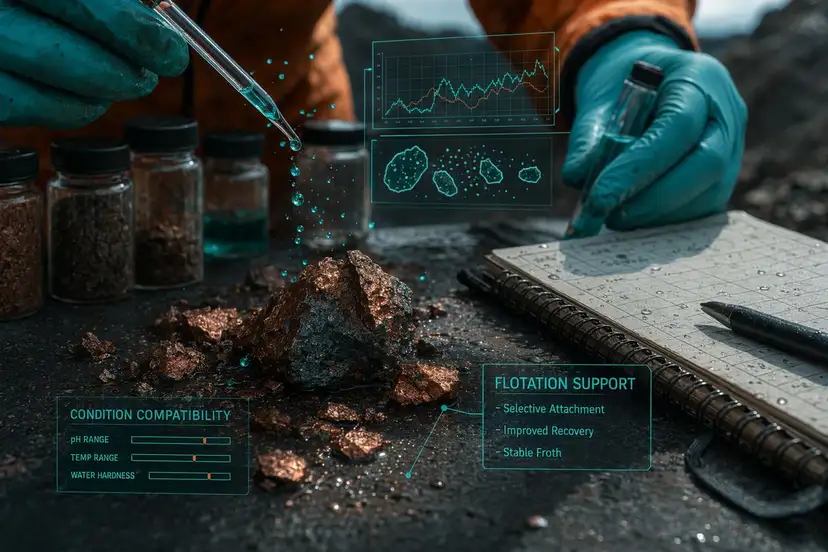
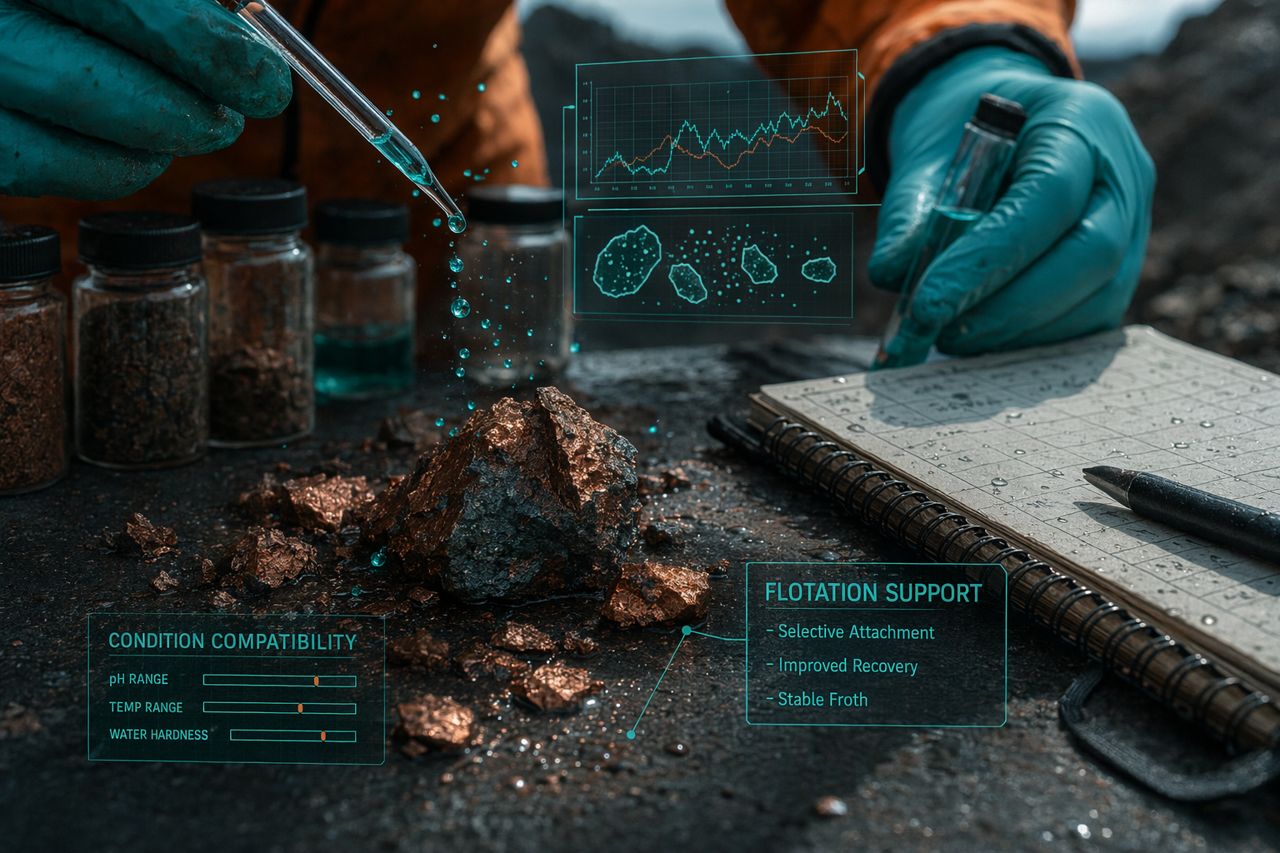
For flotation support:
For leach optimization support:
For slurry conditioning:
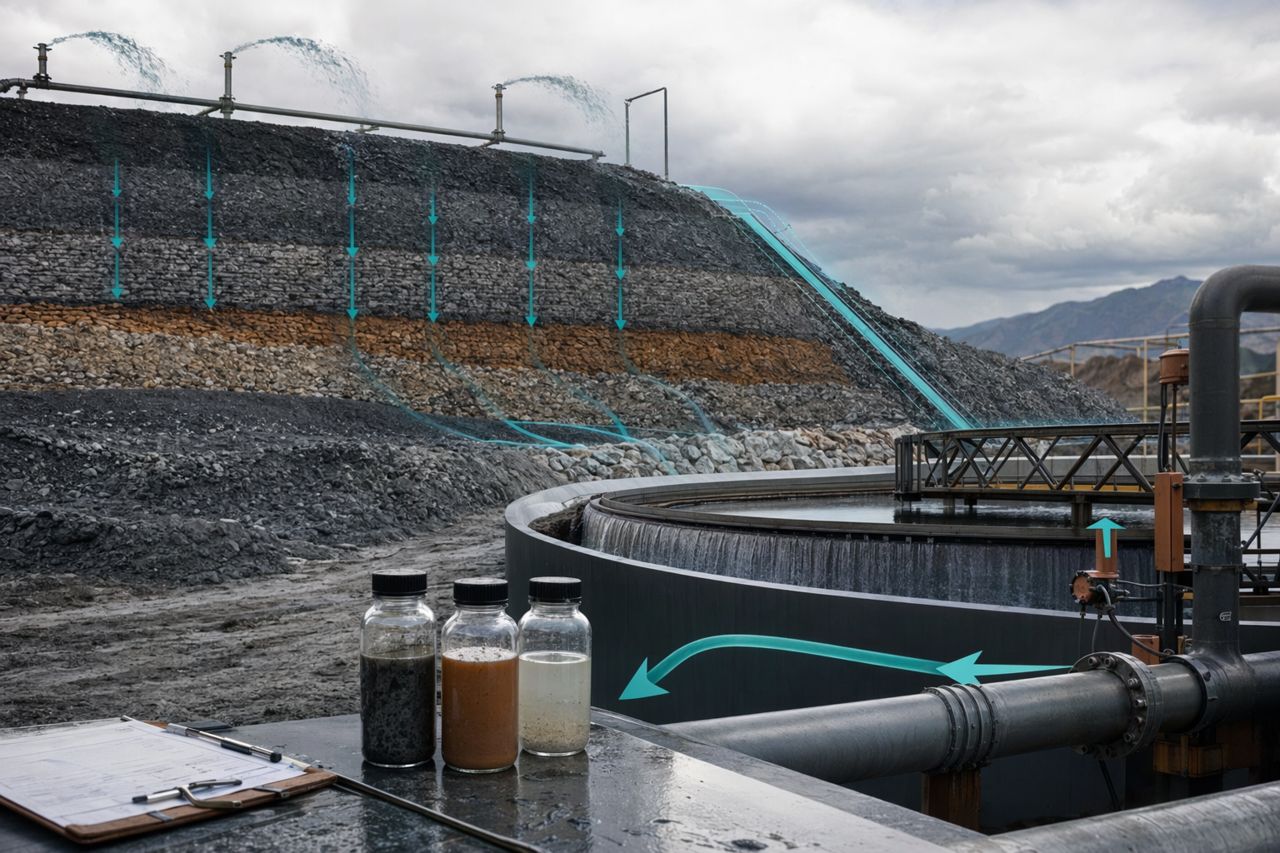
For tailings treatment support:
These notes make the trial more commercially usable because they show where the additive fits in the customer's system.
Strong trial reporting does not need exaggerated claims. The best notes describe direction, consistency, and operating relevance.
Mining buyers know every site has its own mineralogy, water balance, and control philosophy. Credible language travels further than inflated claims.
A trial record should specify what the additive is being compared against. This is often where field notes become weak.
Document:
If the site cannot hold conditions constant, say so. A documented variable is still useful. An undocumented variable can undermine the entire scale-up conversation.
Operator observations are valuable, especially in flotation and slurry handling. But they should be separated from instrumented or sampled performance indicators.
Keeping these categories separate helps your technical team interpret subjective feedback without losing its practical value.
A mining additive supplier does not need to expose its formulation to run a credible trial. Site notes can describe function and compatibility without disclosing sensitive composition.
Use role-based descriptors such as:
Avoid recording unnecessary internal ratios, supplier-specific identifiers, or formulation architecture in documents that may circulate broadly.
Before moving from site trial to commercial program, summarize the evidence in a short scale-up checklist.
If the answer is unclear, the next step may be a tighter trial rather than a larger order. That is still progress if it reduces commercial risk.
StrataFlux supplies enzyme solutions for mining process chemical programs where technical sales teams need differentiated support for flotation, leach optimization, slurry conditioning, and tailings treatment applications.
Our role is to help reagent suppliers position enzyme-enabled functionality inside real plant constraints: mineral variability, water chemistry, order-of-addition limits, formulation compatibility, customer trial documentation, and scale-up planning.
We do not ask your team to replace its commercial chemistry platform. We help you evaluate where enzyme-supported additives can strengthen it.
[Embedded faceless explainer video: Mine-site trial notes for mining additives, showing ore textures, reagent droplets, trial logs, flotation cells, heap-leach layers, slurry streams, and tailings water overlays.]
If you are building or expanding a mining additive portfolio and need an enzyme supplier for mining process chemicals, StrataFlux can help evaluate fit, application direction, and supply requirements.
Use the on-site request a quote form to tell us the target application, process environment, current reagent context, and trial objective. A StrataFlux technical representative will review the request and respond with the next commercial step.

Tell us your application and volume — we reply with pricing and lead time.
We have received your message. We will reply by email.