Sustainable Mining Chemicals Procurement: How Buyers Evaluate Lower-Hazard Additives
Mining chemical procurement is no longer a pure price-per-ton exercise. Technical sales managers, ESG leads, water-treatment partners, and reagent distributors are being asked to supply additives that support metallurgical performance while reducing handling burden, wastewater stress, and long-term site risk.
For an enzyme supplier for mining process chemicals, the commercial brief is clear: provide practical, compatible, trial-ready additives that can fit into existing reagent portfolios without disrupting plant operations.
StrataFlux supplies enzyme-based process additives for mining chemical partners looking to expand lower-hazard options across flotation support, leach optimization, slurry conditioning, and tailings treatment support.
Why procurement teams are re-ranking chemical risk
Mining buyers still prioritize recovery, throughput, and uptime. But procurement scorecards increasingly include:
- Operator exposure and handling classification
- Storage and transport constraints
- Water reuse targets and discharge pressure
- Community and permitting expectations
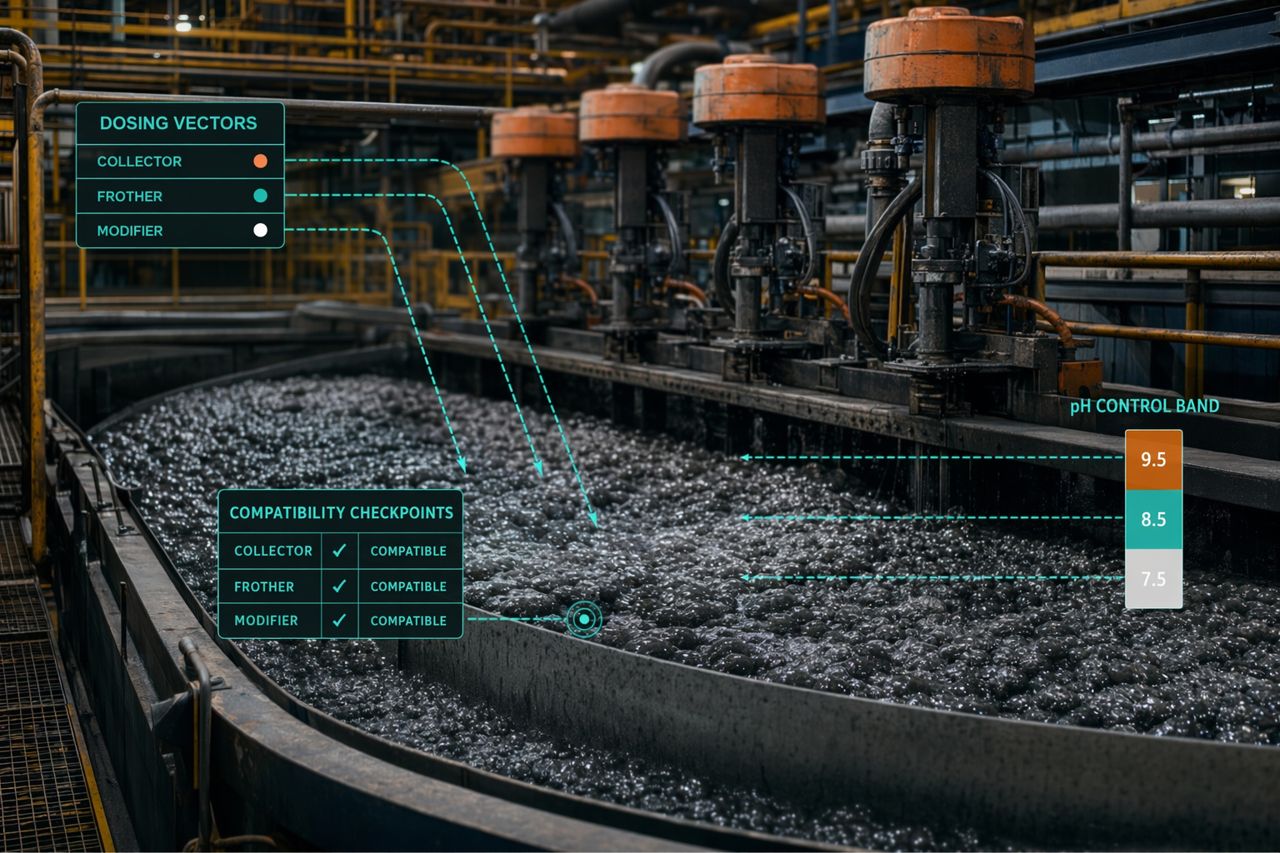
- Compatibility with existing collectors, frothers, depressants, flocculants, and pH modifiers
- Support burden during plant trials and troubleshooting
- Supply continuity across multi-site programs
Lower-hazard does not mean lower-performance. It means buyers want additives that can help reduce operational friction while maintaining a technical path to value.
Where enzyme additives fit in a mining chemical portfolio
Enzyme-based additives are not direct replacements for every conventional reagent. They are best evaluated as functional tools that can support specific process outcomes.
Flotation support
In flotation circuits, enzyme additives may be screened for their ability to help manage surface chemistry, organic loading, clay influence, or unwanted slime behavior. Procurement teams value enzyme options when they can be positioned alongside established flotation reagents rather than forcing a full circuit redesign.
Key buyer questions include:
- Does the additive tolerate the site water chemistry?
- Can it be dosed through existing reagent infrastructure?
- Does it interfere with collector or frother performance?
- Can the supplier support bench screening and plant-trial interpretation?
Leach optimization support
For heap, vat, or agitated leach operations, lower-hazard additives may be evaluated for their contribution to permeability, surface access, organic residue management, or solution movement. Enzyme-based options can be considered where the goal is to improve process conditions without adding aggressive chemistries to the reagent slate.
Procurement value comes from additives that are easy to trial, simple to store, and technically compatible with the plant’s leach environment.
Slurry conditioning
Slurry behavior affects pumping, mixing, classification, and downstream separation. Enzyme solutions can be assessed as conditioning aids where ore type, clay content, or organic contaminants create handling issues.
For mining chemical suppliers, this creates an opportunity to offer a differentiated additive that supports customer troubleshooting without competing directly with every commodity reagent in the circuit.
Tailings treatment support
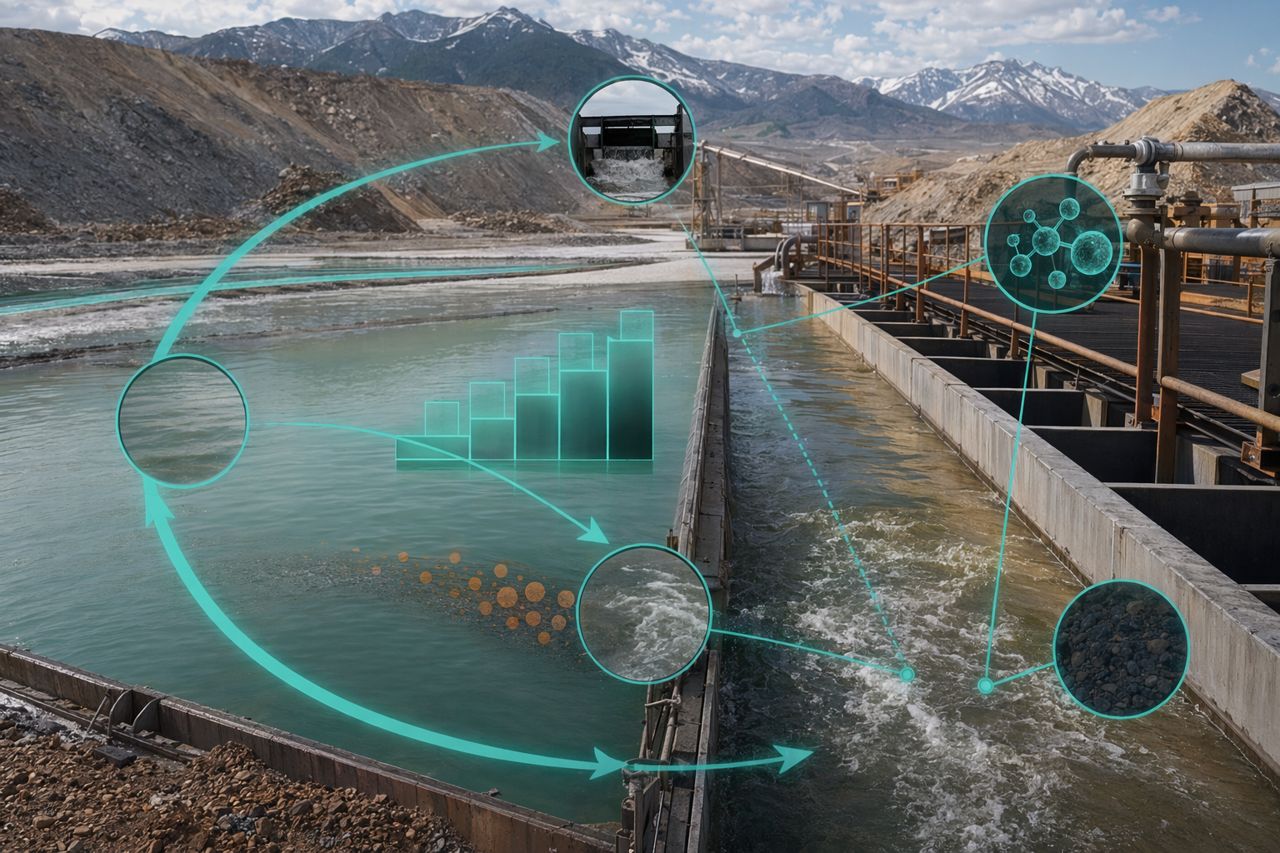
Tailings operations are under heavy scrutiny. Buyers are interested in additives that can support water recovery, solids handling, and treatment-system performance while fitting within discharge and closure planning priorities.
Enzyme-based products may be evaluated as part of a broader tailings treatment program, especially where sites are trying to reduce reliance on harsher treatment chemistries or improve process water quality for reuse.
What buyers expect from a lower-hazard additive supplier
Mining procurement teams need more than a product description. They need evidence that a supplier understands field deployment.
| Procurement criterion |
What buyers look for |
StrataFlux approach |
| Process fit |
Clear use cases by circuit and ore challenge |
Application-led additive selection for flotation, leach, slurry, and tailings programs |
| Compatibility |
No avoidable conflict with core reagent packages |
Screening guidance for pH window, salinity, oxidant exposure, and common reagent interactions |
| Trial readiness |
Practical bench-to-plant pathway |
Support for dosing concepts, observation points, and trial success criteria |
| Risk profile |
Lower handling burden where possible |
Enzyme-based options aligned with safer procurement discussions |
| Commercial scalability |
Reliable supply for distributors and site programs |
B2B supply model for mining chemical partners and technical sales teams |
How to evaluate enzyme additives before a plant trial
A structured screening process helps separate promising additives from laboratory noise.
1. Define the process pain point
Avoid broad objectives such as “improve sustainability.” Instead, connect the additive to a measurable plant issue:
- Poor flotation selectivity in a defined ore blend
- Slurry viscosity increase during wet season operations
- Permeability limitations in a leach application
- Tailings water quality pressure or solids handling challenges
2. Map the reagent environment
Enzyme additives should be assessed against the real chemical environment, including pH range, salinity, process temperature, oxidant exposure, residual collectors, frothers, flocculants, depressants, and anti-scalants.
3. Screen for compatibility first
Before claiming metallurgical benefit, confirm that the additive can survive the practical conditions of the circuit and does not destabilize the existing reagent program.
4. Build a trial with commercial endpoints
A strong plant-trial plan should include operational indicators procurement teams care about:
- Reagent consumption impact
- Water reuse or treatment behavior
- Solids handling observations
- Dosing practicality
- Storage and handling feedback
- Customer acceptance by operators and metallurgists
5. Document the ESG and risk narrative carefully
Lower-hazard procurement language must be precise. Avoid exaggerated claims. The strongest positioning is grounded in reduced handling burden, compatibility with water-management goals, potential reduction of aggressive treatment inputs, and support for site-specific process efficiency.
Commercial value for mining chemical suppliers
For distributors and process chemical partners, enzyme additives can create a higher-value conversation with mining customers.
They help technical sales teams move beyond commodity price pressure by offering:
- A differentiated additive category
- Practical support for ESG-aligned procurement
- New trial opportunities in difficult ore conditions
- Portfolio extensions for water treatment and tailings programs
- Compatibility-led selling instead of one-size-fits-all claims
StrataFlux works with mining chemical suppliers that need enzyme additives positioned for industrial reality: rugged operating conditions, variable ore bodies, demanding plant teams, and procurement groups that expect defensible value.
Procurement checklist for lower-hazard mining additives
Before adding a new enzyme-based additive to a mining chemical portfolio, buyers should confirm:
- The target application is clearly defined
- The additive is compatible with site water and key reagents
- Storage and handling requirements match regional logistics
- Trial objectives are tied to plant-operating value
- Technical documentation supports distributor sales teams
- The supplier can help troubleshoot during screening and field evaluation
- Claims are specific, defensible, and aligned with mining-sector expectations
Build a lower-hazard additive offer with StrataFlux
StrataFlux supplies enzyme solutions for mining process chemical partners serving flotation, leach, slurry, and tailings applications. We support B2B teams with application framing, compatibility discussions, and quote-ready supply options for customer trials and commercial programs.
Planning a lower-hazard additive program for a mining customer? Request a quote through the on-site contact form and tell us the circuit, ore challenge, and target application.